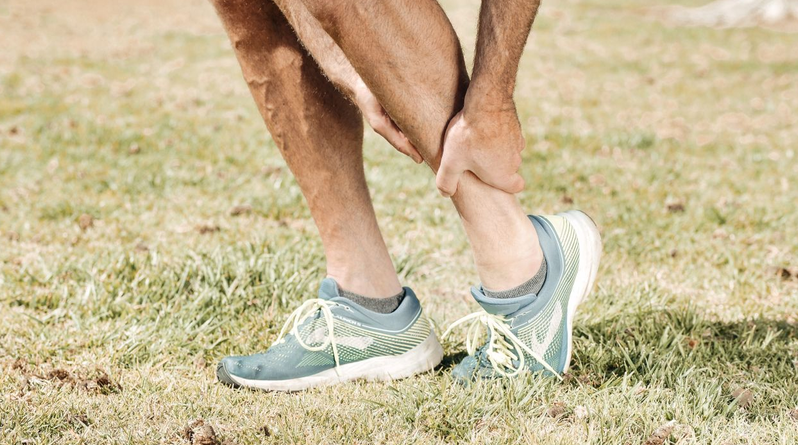
Anyone who has pushed through a challenging workout knows the feeling of waking up with sore muscles the next day. Whether you are lifting weights, running long distances, or trying a new fitness routine, muscle soreness can make everyday activities uncomfortable. While rest, stretching, and proper nutrition are still important parts of recovery, many people are exploring red light therapy as another way to support the healing process. But does it actually help reduce post-workout soreness? Understanding how this therapy works and what current research suggests can help you decide if it deserves a place in your recovery routine.
How Red Light Therapy May Support Muscle Recovery
Many athletes and fitness enthusiasts prefer the red light therapy at home as part of their recovery routine because it offers a convenient way to support muscle health after exercise. Red and near-infrared light penetrate the skin and interact with cells, helping improve energy production within the mitochondria. This process may encourage faster tissue repair and better circulation, which are both important for recovering after intense physical activity. While results vary from person to person, many users report feeling less stiffness and improved comfort following regular treatments.
Why Muscles Become Sore After Exercise
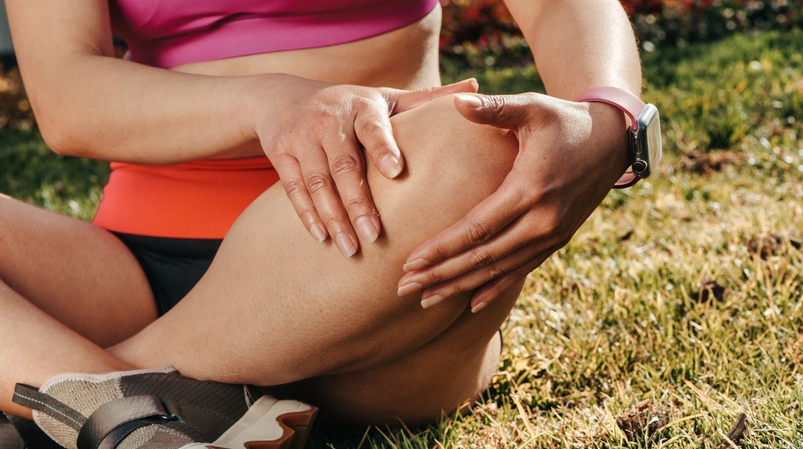
Post-workout soreness, often called delayed onset muscle soreness, usually develops several hours after unfamiliar or intense exercise. Tiny tears occur in muscle fibers during physical activity, and the body responds with inflammation as it begins the repair process. This natural healing response helps muscles become stronger over time, but it can also leave you feeling stiff and uncomfortable. Factors such as workout intensity, training experience, hydration, and sleep quality all influence how sore you may feel.
What Research Says About Red Light Therapy
Scientific studies have shown promising results when it comes to red light therapy and muscle recovery. Some research suggests that using red or near-infrared light before or after exercise may help reduce muscle fatigue, decrease inflammation, and improve recovery time. Although not every study reaches the same conclusion, the overall findings indicate that red light therapy has the potential to support recovery when combined with healthy lifestyle habits. Researchers continue to study the best treatment schedules and light settings for different types of exercise.
The Safe Way
Red light therapy is generally considered safe when used according to the manufacturer’s instructions. Most home devices recommend treatment sessions that last only a few minutes for each targeted area. Longer sessions do not always produce better results, so following the recommended guidelines is important. It is also wise to wear eye protection if the device manufacturer recommends it, especially when treating areas close to the face. People with certain medical conditions or those taking medications that increase light sensitivity should speak with a healthcare professional before beginning treatment.
Other Habits That Improve Recovery
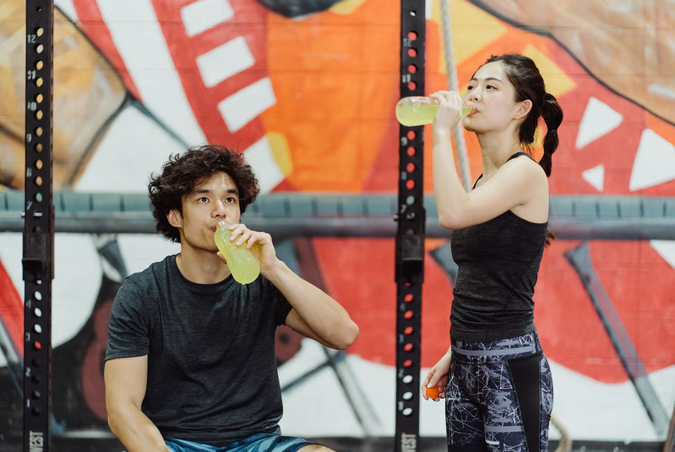
Red light therapy works best when it is part of a complete recovery plan rather than the only strategy you rely on. Drinking enough water, eating protein-rich meals, getting quality sleep, and allowing muscles enough time to recover between workouts all play important roles. Gentle stretching and light movement can also improve blood flow and reduce stiffness. Combining these healthy habits with consistent red light therapy sessions may produce better results than using any single recovery method on its own.
Is Red Light Therapy Right for Every Athlete?
While many active individuals enjoy the potential recovery benefits of red light therapy, it is not a magic solution. Professional athletes, recreational gym members, and beginners may all respond differently depending on their fitness level and training intensity. Some people notice improvements within a few weeks, while others experience more gradual changes. Choosing a quality device and using it consistently are key factors that may influence your overall experience.
Some Realistic Expectations
It is important to approach red light therapy with realistic expectations. It may help reduce soreness and support muscle recovery, but it cannot eliminate the natural effects of challenging exercise. Recovery is influenced by many factors, including nutrition, hydration, stress, sleep, and overall health. Viewing red light therapy as one helpful tool rather than a complete solution allows you to build a balanced recovery routine that supports long-term fitness goals.
Red light therapy shows encouraging potential for reducing post-workout soreness and supporting muscle recovery when used consistently and correctly. While more research is still being conducted, many people find it to be a valuable addition to healthy recovery habits. When combined with proper nutrition, adequate rest, and smart training practices, red light therapy may help you recover more comfortably and stay ready for your next workout.